Our Philosophy
Where children and community thrive together
OUR VALUES
The CDL is a model early childhood program for children, families, student teachers, faculty, and staff, where nature is appreciated; knowledge and creativity are cherished; needs are met; growth and development are celebrated; and meaningful friendships and deep relationships are encouraged and fostered.
Guided by the University’s core values—Respect, Responsibility, Discovery, and Excellence—the CDL also upholds its own values of Sensitivity, Compassion, Appreciation for Nature, Open‑Mindedness, and Integrity.
OUR PHILOSOPHY
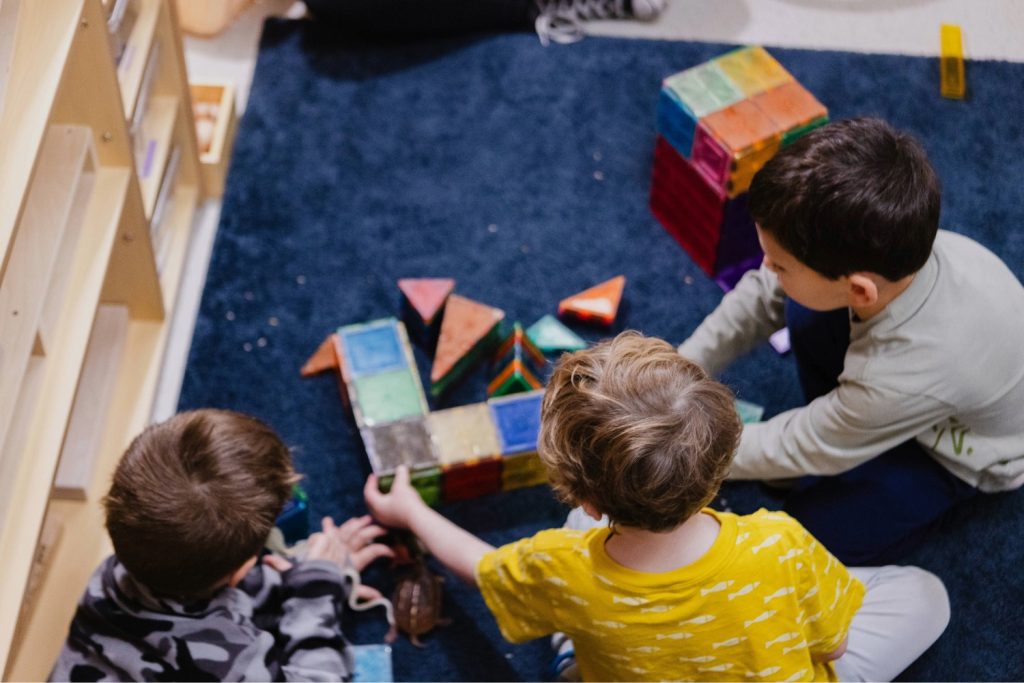
The CDL understands that children thrive in safe, secure, healthy, and nurturing environments. The CDL strives to provide a stimulating learning environment that encourages and supports the development of each child and provides opportunities for self-exploration, problem-solving, and discovery. The CDL understands that children are competent, capable, and curious learners and must be active participants in their own learning. It is our goal to provide individualized learning experiences designed to stimulate each child’s creative learning abilities and delivered in a safe and healthy environment.
Our approach to your child's development
SUPPORTING THE WHOLE CHILD
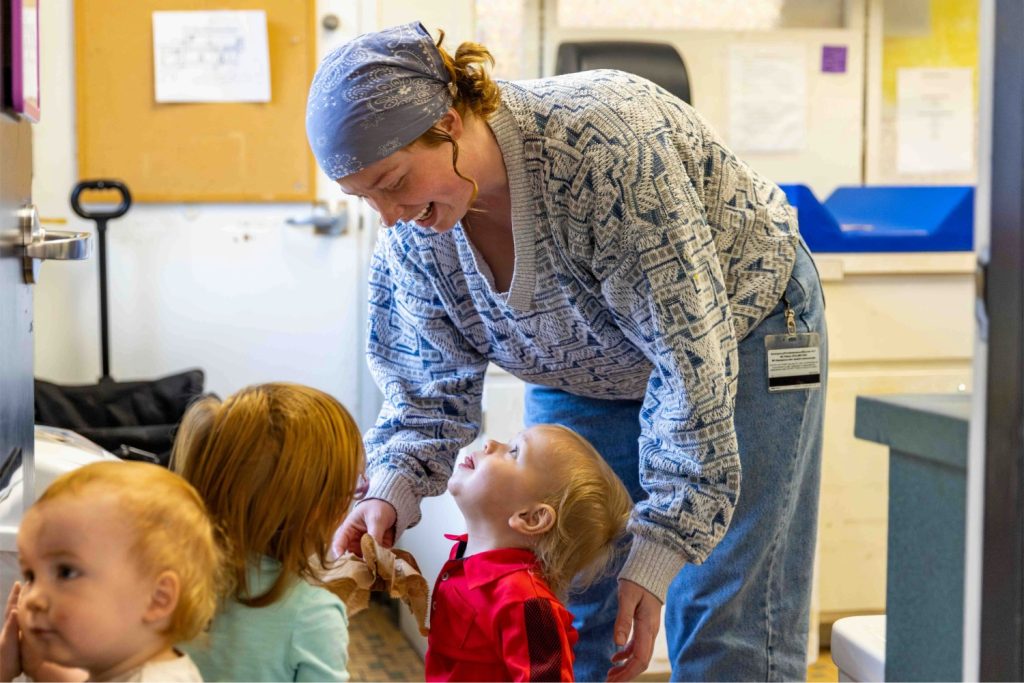
The overall development (cognitive, language and literacy, social-emotional, physical, and creative) of the child is considered and planned for through a variety of developmentally appropriate activities. It is the objective of the CDL to assess and understand the development of each child in our program and to facilitate their growth. Positive development of the child's image of self is of prime importance in the program and is a priority in all aspects of program planning. The young child is a valued member of their family and community. It is the aim of the CDL to work with the family in creating the best possible environment for the child while at the lab. The staff and students at the CDL are concerned with the total and unique growth and development of each child. This is facilitated by promoting cognitive development, language and literacy development, social-emotional development, physical development, and creative development.
Cognitive Development
Learning to solve problems and form concepts. Demonstrating positive approaches to learning. Discovering and exploring the near environment and the natural world.
Language and Literacy Development
Learning to express feelings and ideas in a variety of ways. Using verbal and written communication. Learning and applying knowledge of print and other early reading skills.
Social-Emotional Development
Developing self-esteem, self-regulation, and coping skills. Achieving self-confidence in relationships. Developing a sense of responsibility and persistence in completing tasks.
Physical Development
Developing hand and body coordination. Learning physical skills. Learning healthy habits.
Creative Development
Expressing ideas through creative skills. Expressing self through creative medium. Developing the ability to think and act in different and unique ways.