About
Our Philosophy
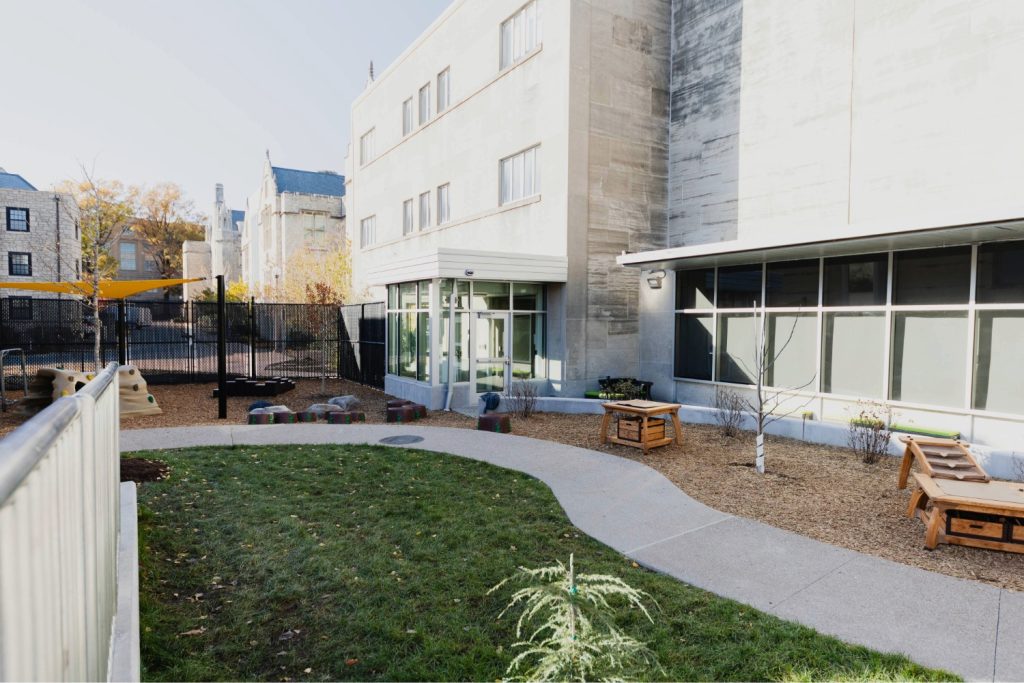
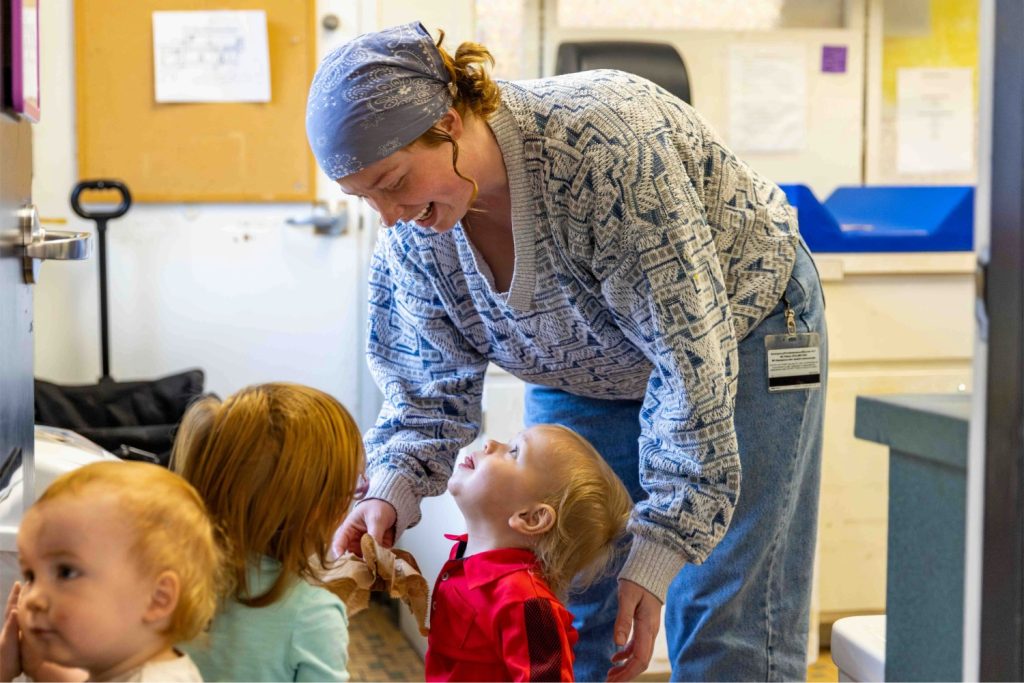
The Child Development Lab (CDL) understands that children thrive in safe, secure, healthy, and nurturing environments. The CDL strives to provide a stimulating learning environment that encourages and supports the development of each child and provides opportunities for self-exploration, problem-solving, and discovery. The CDL understands that children are competent, capable, and curious learners and must be active participants in their own learning. It is our goal to provide individualized learning experiences designed to stimulate each child’s creative learning abilities and delivered in a safe and healthy environment.
Over 100 years of service
Our History
The Child Development Lab, part of the Department of Human Development and Family Science at the University of Missouri, has served young children, families, and the university community for more than 100 years. In the 1920s, the department—then known as Home Economics—established a laboratory attended by young children to provide opportunities for observing child behavior. As the department evolved, the CDL grew alongside its academic programs—adapting to societal needs during World War II, formalizing educational pathways in the 1950s, and relocating as university facilities expanded. Ongoing renovations, most recently in 2025, reflect its continued commitment to modern, high-quality early childhood education and student training.